In-Cab Advertising: What It Is, How It Works, and Why Brands Are Testing It
A simple primer on the screen inside the ride — the format, the inventory, the buying model, and the questions every marketer should ask before booking a campaign.
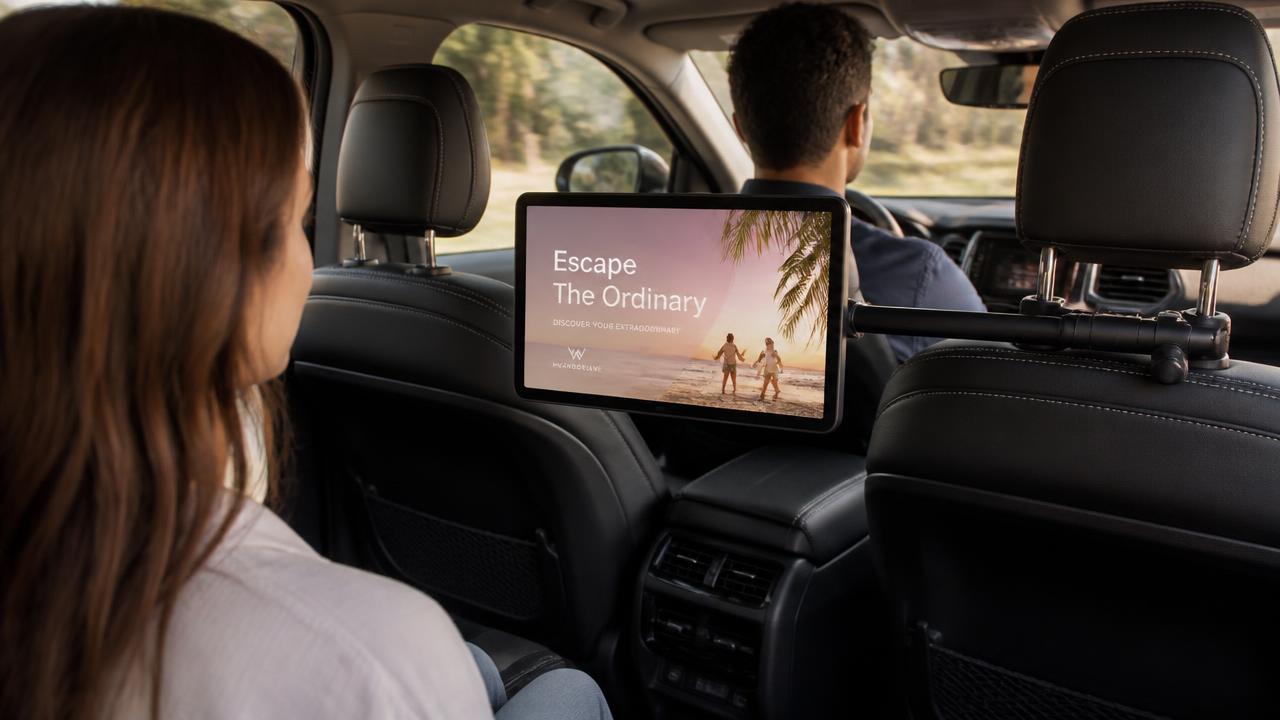
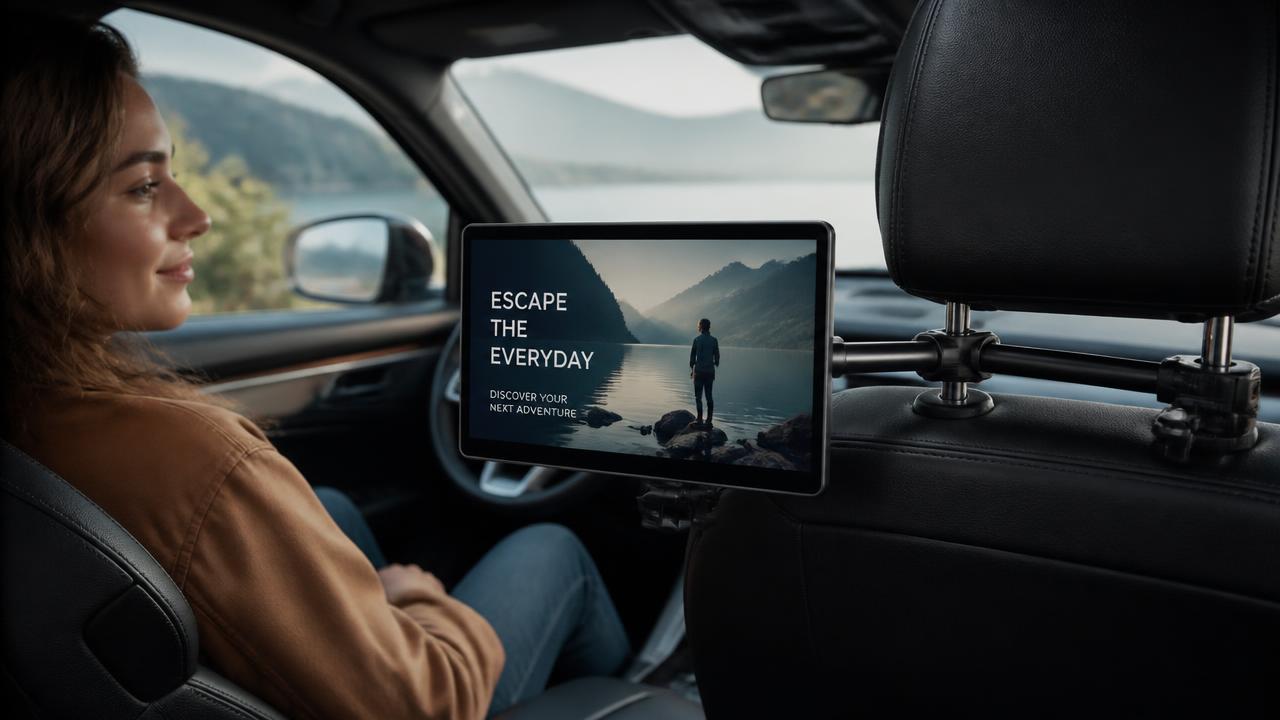
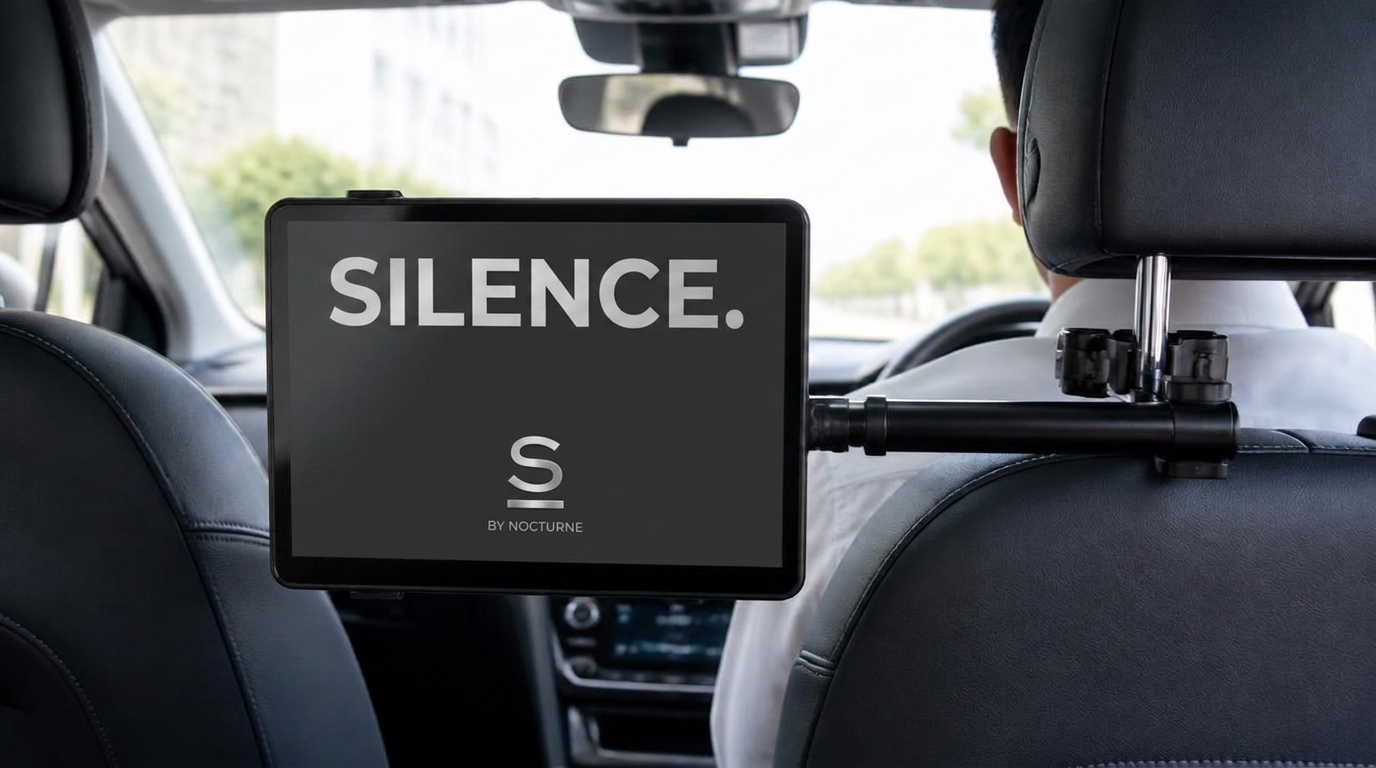
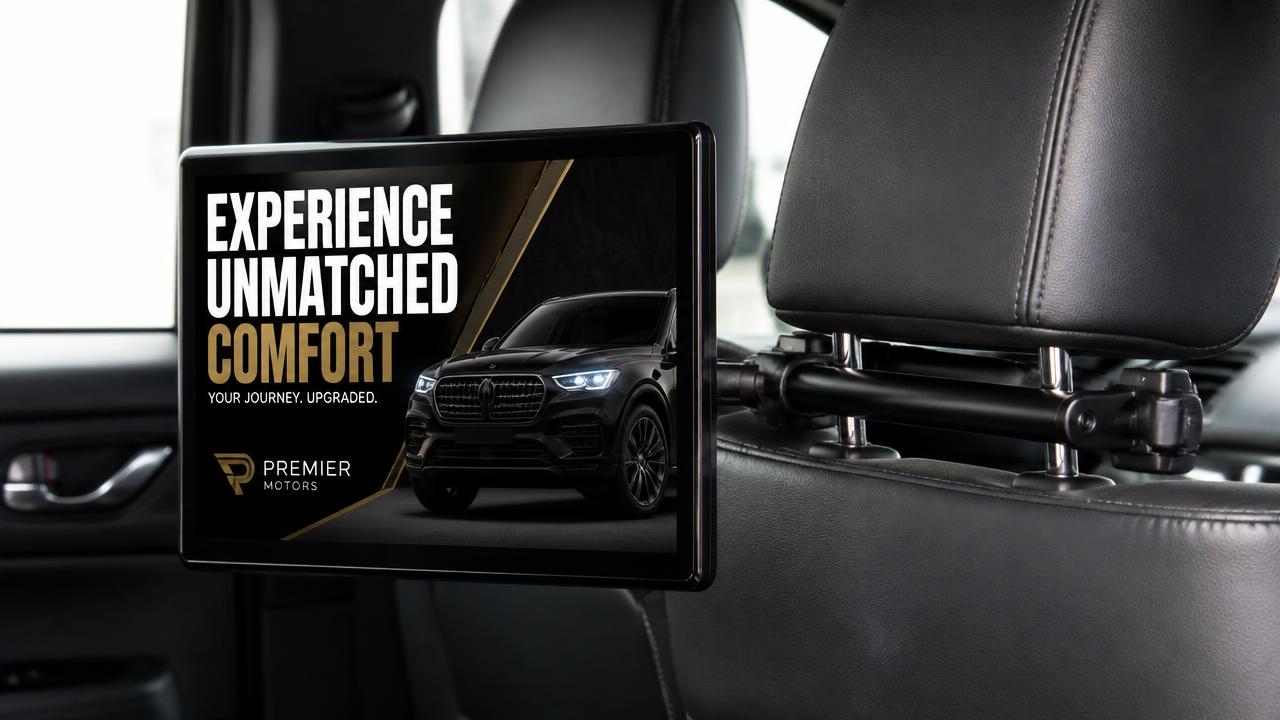
In-cab advertising puts a connected digital screen inside a passenger vehicle. The screen sits on a rod bracket behind the front seat and faces the backseat rider. It plays a loop of brand content while the person travels. Unlike a billboard, the viewer is seated, close to the screen, and present for the whole trip.
Why the format exists
City rides create a pocket of free time that no medium owned. For most of a trip, the rider looks at a phone or out of the window. An in-cab screen turns that time into a brand moment. It cannot be skipped, and it is not fighting a social feed for the same space.
How the inventory is structured
A network sells time inside a playlist loop, not a fixed site. The loop is a repeating sequence of spots. A campaign buys a share of that loop across a set of vehicles for a set period. Screens run day and night, continuously, whenever the cab is operating.
- Spot length: in-cab creatives run up to 30 seconds, long enough for one clear message.
- Share of loop: the slice of the rotation a brand holds, which sets how often it repeats in a trip.
- Vehicle groups: screens can be grouped by operator or service tier.
- Run time: the loop plays continuously through the day and night while the vehicle is in service.
No personal data involved
In-cab advertising does not use anything personal about the rider. There is no profile, no tracking and no identity match. Every rider in the vehicle sees the same loop. Brands buy presence across the fleet, city-wide, rather than a slice of a person's data.
Treat the vehicle as the media asset. You are buying continuous presence across a city fleet, not a personal audience segment.
What gets delivered back
Because the screens are connected, you get a simple record of what actually ran. Reports show which screen played which creative and when, plus whether the device was online. Audience numbers are an estimate, as they are in all out-of-home. Plays are measured; impressions are modelled.
Questions to ask before you book
- 1How many screens are live today, and how is 'live' defined?
- 2What is the loop length and my share of it?
- 3Can I see per-screen proof of play, not just a summary?
- 4How quickly can creative be swapped, and is there an approval step?
- 5What happens commercially when a device is offline?
Where in-cab fits in a plan
In-cab works best alongside other channels, not on its own. It builds recognition with an urban audience while search, social and retail handle the response. Plan it for steady presence over a sustained period rather than one short burst. Start with one clear message and a simple way to judge the result.
Put your brand inside the ride
Share your objective and target corridors — we will come back with an inventory map, loop share and a measurement plan for your campaign.