The Psychology of a Captive Audience: Why Riders Notice In-Cab Screens
Attention is not a number you buy, it is a state you inherit. What dwell time, low-attention processing and repetition tell us about advertising inside a moving vehicle.
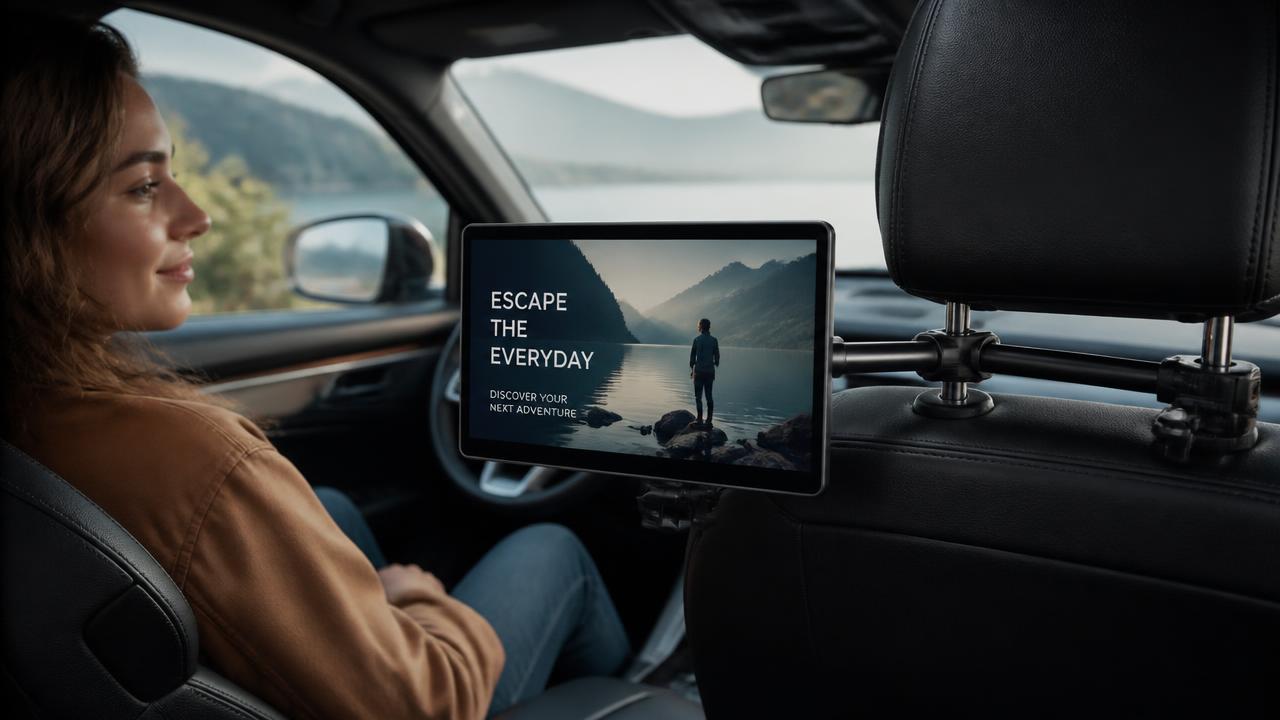
Marketers often mix up two things: exposure and attention. An impression only says a message could have been seen. Attention says someone actually spent a moment on it. In-cab screens matter because they improve the odds on the second one.
Dwell time changes the arithmetic
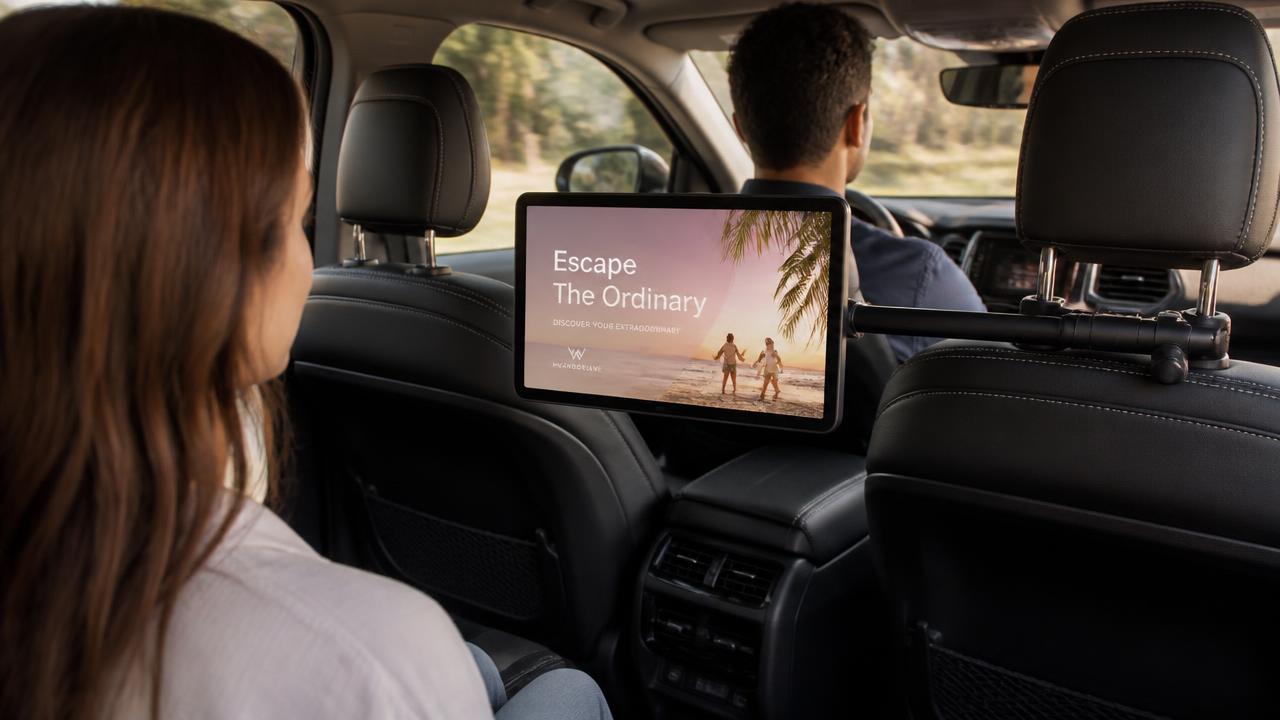
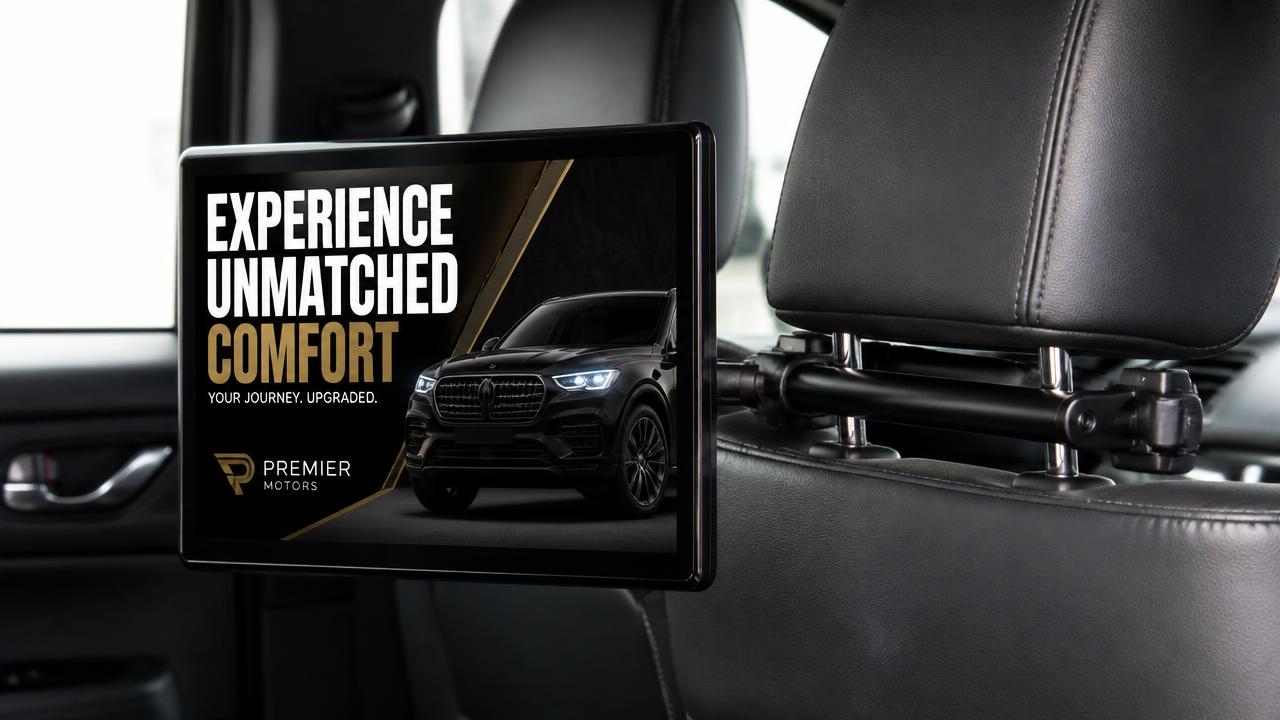
Most out-of-home formats get a glance. A rider is seated in a small space for the whole trip with little else to look at. That does not guarantee attention, since phones still compete. But it turns one chance into several chances across a loop.
The same message seen three times in one journey is processed as continuity, not repetition.
Low-attention processing is still processing
Research shows brands can be learned without focused viewing. A rider glancing up between messages may never study the ad. They still pick up familiarity with a colour, a logo shape or a simple visual. The lesson is blunt: what survives is your brand asset, not your paragraph of copy.
The mood of the ride
A ride is a calm, low-pressure moment. The rider is not working, driving or scrolling with intent. That relaxed state makes simple brand messages easier to absorb. Ads play throughout the day and night, so a brand builds familiarity across many ordinary trips.
Repetition, and its limits
Seeing something more often tends to make people like it more. That is why frequency works. But it has a ceiling. Too much of one asset in a small space causes fatigue. Rotate two or more executions across a flight instead of running a single film.
Designing for the state, not the slot
- Lead with the brand asset, not the offer.
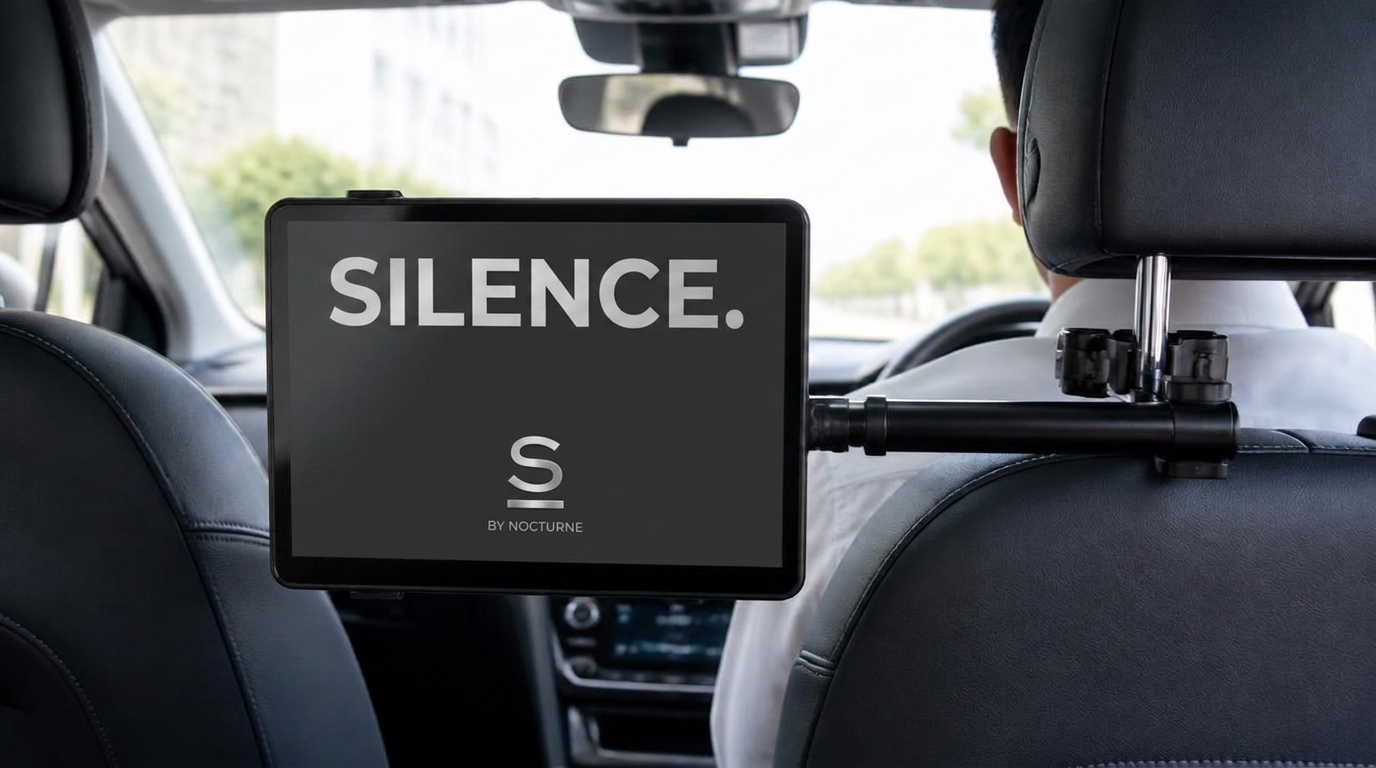
- Assume sound is off and the viewer may look away mid-message.
- Vary at least two executions per flight to slow wear-out.
- Keep one idea per spot so it reads in a glance.
None of this is unique to in-cab. It is standard attention science in an unusually friendly setting. The environment does part of the work, provided the creative does not waste it.
Put your brand inside the ride
Share your objective and target corridors — we will come back with an inventory map, loop share and a measurement plan for your campaign.